
The Process
A Roadmap for Real Change
When a loved one is in crisis, the path forward often feels overwhelming or unclear.
At Intervention Works, we don’t just help families act—we help them understand. Our process is designed to bring calm to the chaos and structure to uncertainty. Every step is guided by professional insight, compassionate communication, and strategic follow-through.
This isn’t a one-size-fits-all approach. We tailor each plan to the unique needs of the family and the individual in crisis, combining best practices in behavioral health with deep lived experience. We focus not just on getting someone into treatment—but on setting the foundation for lasting change.
Our process isn’t just something we do. It’s something we walk families through—again and again—with empathy, transparency, and care.
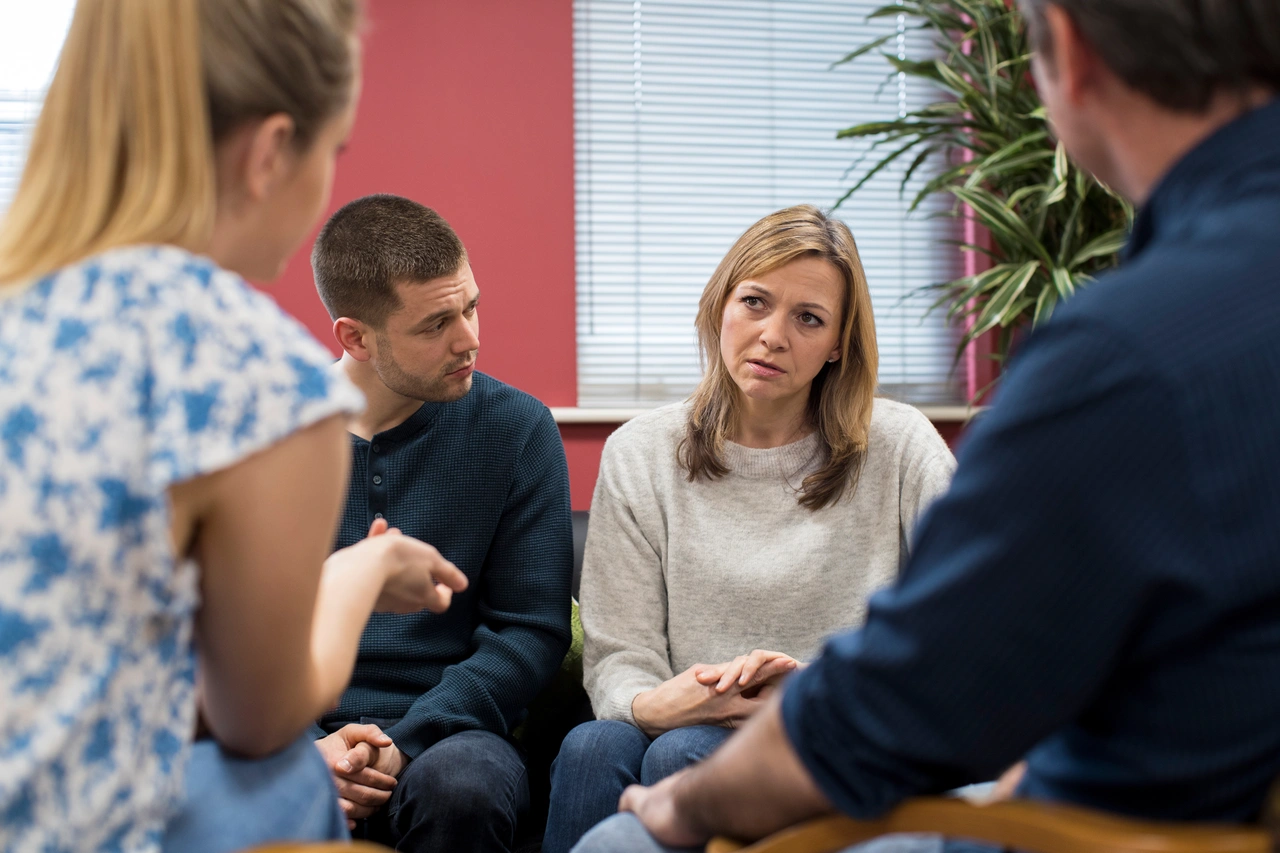

Step by Step Overview
1. Initial Phone Consultation
We begin with a confidential call to understand your situation, answer your questions, and explore whether our services are a fit. This is often the first moment of relief—when you realize you’re no longer alone in navigating this.
2. Background Evaluation & Assessment
We gather relevant information about your loved one’s history, behavioral patterns, treatment attempts, and family dynamics. This helps us begin shaping a tailored strategy rooted in reality—not assumptions.
3. Team Development
We work with you to identify the people best suited to be part of the intervention team—those who can show up with honesty, care, and clear boundaries. This often includes family members, close friends, or trusted mentors.
4. Treatment Plan
We don’t believe in “hope for the best.” We create structured, evidence-informed treatment recommendations based on your loved one’s needs and your family’s capabilities. This includes identifying vetted treatment centers and necessary resources.
5. Pre-Intervention Team Meeting
This virtual session with the full intervention team is where we walk through the plan, address concerns, align on messaging, and anticipate potential hurdles. We want everyone aligned, confident, and ready.
6. Day 1: In-Person Team Workshop
We meet together to rehearse the intervention, coach each person on delivery, and create space to process emotions. This day builds trust and readiness—critical components for the next day.
7. Day 2: The Intervention
With the team prepared and unified, we invite the Loved One into the conversation. Our approach is non-confrontational, direct, and deeply human. The goal: create a moment of pause long enough for a new path to open.
8. Transport to Treatment
If the individual agrees to care, we handle all logistics and travel support, ensuring a smooth, emotionally neutral transition to the treatment provider. If they decline, we revisit the plan and remain engaged.
9. Ongoing Case Management & Coaching
Post-intervention, we remain connected through structured case management and family coaching—tracking progress, adjusting plans, and ensuring the family stays supported.